Visibility: the courage to be seen
Do you recognise that moment?
You want to take a step forward, but your body physically seems to say ‘no’.
Visibility is about more than just a sign on a wall or a post on social media.
It is about a more fundamental question: do I dare to take my place?
For many (myself included), staying invisible has been a safe strategy for a long time.
Doe maar gewoon (“Just act normal, that’s crazy enough”)
Come to think of it, perhaps this mindset is deeply woven into our culture. In the Netherlands, we are influenced by a heritage rooted in the 16th-century teachings of the church reformer Johannes Calvijn. His influence shaped a collective value of modesty and restraint, captured in the saying: “Doe maar gewoon, dan doe je al gek genoeg”. Standing out, taking up space, or showing yourself too much can easily feel uncomfortable, or even wrong.
Yet today, we live in a world that often demands the opposite. Many don’t seem to have a problem with that. On the inside, however, this can create a constant tension: while society asks us to show up, our inner ‘Calvinist’ warns us to stay small. For me, even the thought of making something public can pull me out of my body. Online visibility touches the same sensitive place as actually taking up space in life itself.
Why we might pull back
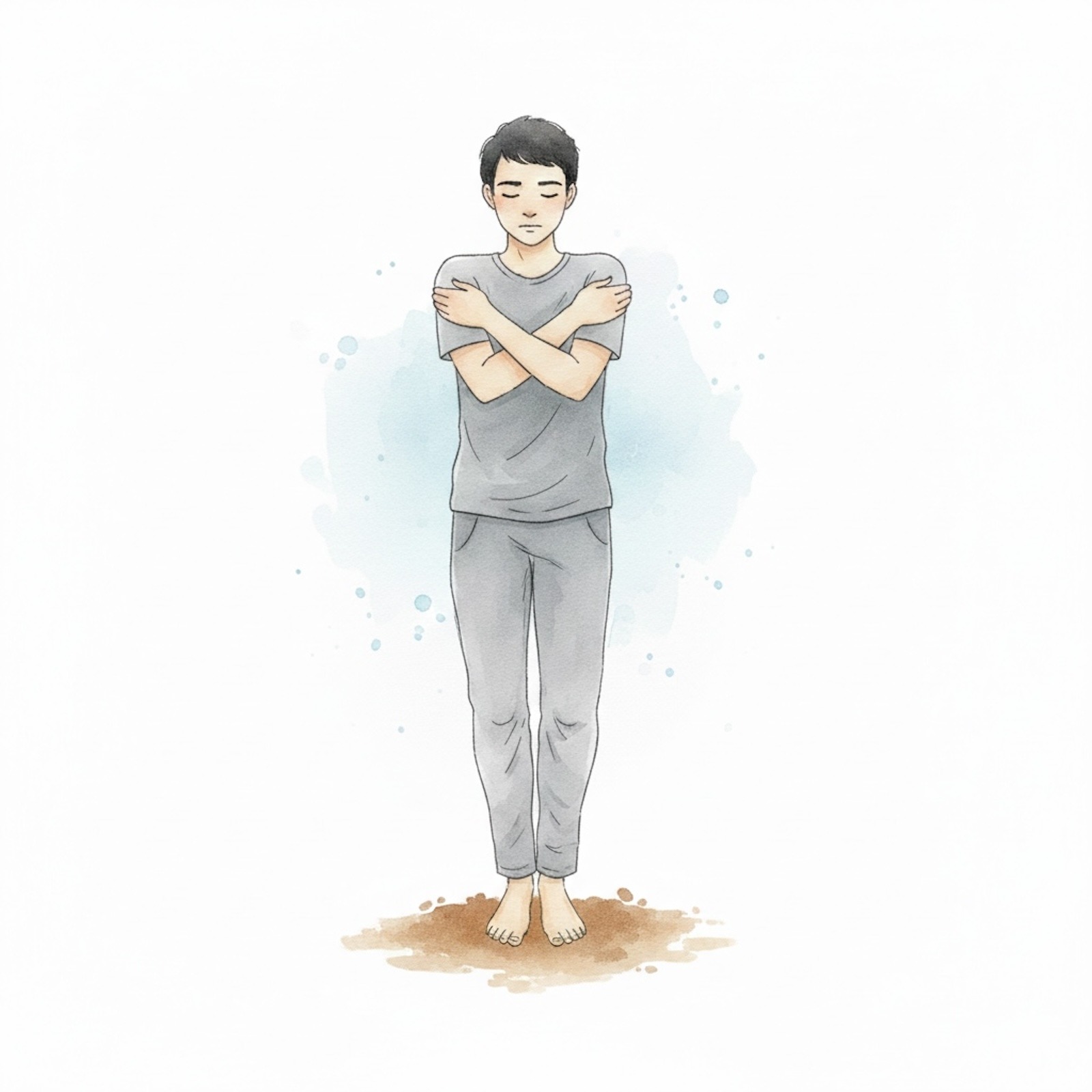
When we don’t feel safe to be seen, the body responds. These patterns are part of our embodiment; our history written in our posture. We pull back, collapse slightly, hold our breath, or make ourselves smaller. These reactions are rarely random. They often developed as ways to cope, belong, or protect ourselves.
You might notice this in your body as:
- a tightening in your chest or throat
- shallow, high breathing
- shoulders rounding forward to protect your heart
- your belly pulling in
- a loss of grounding through your feet
- a struggle with feeling safe in your body
When we feel disconnected from our body or sense a loss of control, showing up fully becomes much harder.
This hesitation to be seen often has deeper roots, such as:
- the need for control – being visible means letting go of how others might see you
- lack of inner connection – without a sense of inner space, the outside world can feel overwhelming
- fear of being “too much” – shrinking to avoid unwanted attention
- fear of your own greatness – as the author and speaker Marianne Williamson writes, our deepest fear is not that we are inadequate, but that we are powerful beyond measure
From hiding to Presence
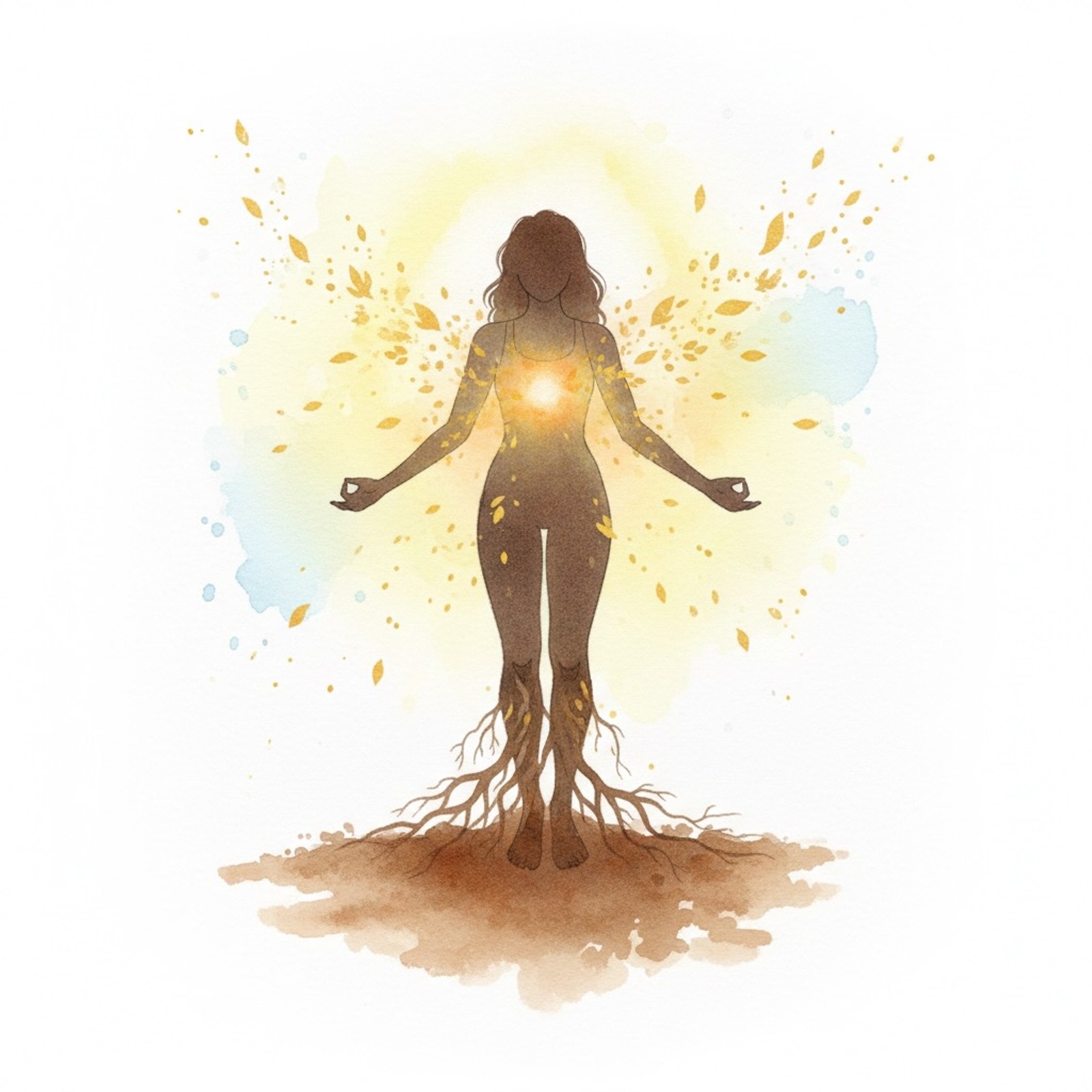
Becoming smaller is a physical habit.
Daring to be seen starts with softening, slowing down, and creating space from within.
Visibility is not about the spotlight. It is about presence.
About inhabiting your body as you take your place, without escaping into your head. By exploring these patterns, your body can begin to feel safer.
Being visible starts with being able to feel yourself.

Rebalancing
In my practice in Amsterdam, we can explore these themes together through Rebalancing.
You are welcome exactly as you are.
Find out more about Rebalancing.
Jessica Felsenthal
updates and more useful self-care tips!
This post is also available in: